Do You Need a Permit for Land Clearing in Hillsborough County?
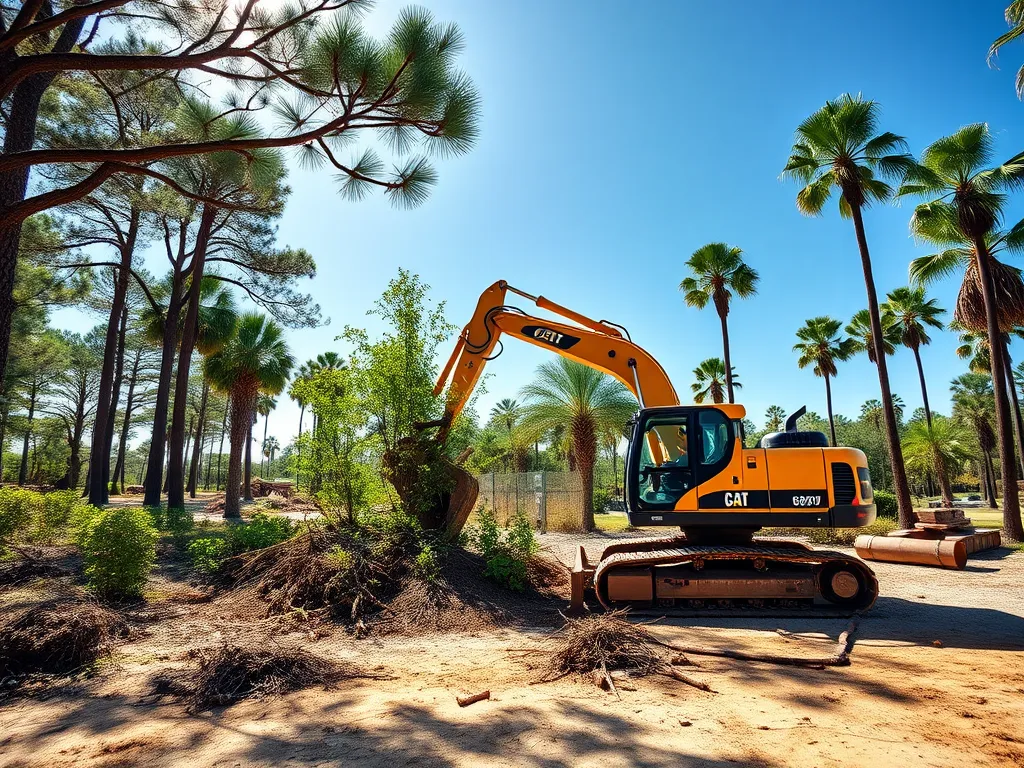
*Image is AI-generated for illustrative purposes and may not represent actual project results.
Planning a land clearing project in Hillsborough County? Understanding permit requirements is crucial to avoid costly fines and project delays. This comprehensive guide covers when permits are required, how to apply, and what you need to know about tree removal ordinances in 2026.
⚠️ Important Notice
Hillsborough County land clearing without proper permits can result in fines ranging from $500 to $15,000 per violation, plus mandatory restoration costs. Always verify permit requirements before beginning any clearing work.
When Land Clearing Permits Are Required
Hillsborough County requires permits for most land clearing activities that impact protected trees or significant vegetation. The permitting requirements vary based on project scope, tree size, and property location.
Tree Removal Permit Requirements
The most common permit requirement involves tree removal. Hillsborough County's Tree Protection Ordinance requires permits for removing certain trees based on size and species:
Trees Requiring Permits
- On developed residential property (a principal dwelling already on it): protected trees 12 inches DBH and larger
- On vacant residential property, including a lot being cleared for a new home: protected trees over 5 inches DBH
- Grand trees: additional review, and the expedited path is not available for grand oaks
- Specimen species: protected regardless of size
- Wetland trees: any tree within designated wetland areas
Residential Property Clearing
Most residential land clearing projects require at least a tree removal permit if protected trees are involved. Common scenarios include:
- New home construction: Building permits typically include tree removal authorization for the building footprint
- Pool installation: Separate tree removal permits required for trees outside building permits
- Driveway expansion: Tree removal permits needed for protected trees in expansion areas
- Landscape renovation: Permits required for removing multiple protected trees
Commercial and Development Projects
Commercial projects face more stringent requirements and typically need multiple permits:
- Site Development Permits: Required for all commercial land clearing over 1 acre
- Environmental Impact Reviews: Mandatory for projects affecting wetlands or protected habitats
- Stormwater Management Permits: Required when clearing affects site drainage
- Tree Mitigation Plans: Required to replace or compensate for removed protected trees
Hillsborough County Tree Protection Ordinance
Hillsborough County's Tree Protection Ordinance (Article VII of the Land Development Code) governs most land clearing activities. Understanding this ordinance is essential for any property owner planning clearing work.
Protected Tree Categories
| Parcel / tree | Permit threshold | Permit Required | Replacement Ratio |
|---|---|---|---|
| Developed residential property | Protected tree 12 inches DBH or larger | Yes | Replacement or mitigation may be required |
| Vacant residential property (new home) | Protected tree over 5 inches DBH | Yes | Replacement or mitigation may be required |
| Grand tree | As defined by the ordinance | Yes + additional review | Set case by case; expedited review not available for grand oaks |
| Specimen species | Any size | Yes + additional review | Variable |
Tree Replacement Requirements
When protected trees are removed with permits, Hillsborough County requires replacement plantings or in-lieu fees:
- On-site planting: Preferred option using approved native species
- Off-site mitigation: Contributing to county tree planting programs
- In-lieu fees: set by the county's current fee schedule
- Mitigation banks: Purchasing credits from approved mitigation providers
Protected Species and Environmental Considerations
Hillsborough County is home to numerous protected plant and animal species that can affect land clearing permits. Environmental reviews may be required for properties containing:
Protected Plant Species
- Native orchids: Several species protected under state law
- Coontie palms: State-protected cycad species
- Wild lime trees: Important butterfly host plants
- Native bromeliads: Epiphytic plants on protected trees
Wildlife Habitat Considerations
- Gopher tortoise burrows: Require special relocation permits
- Nesting bird habitats: Seasonal clearing restrictions apply
- Butterfly host plants: May require preservation or replacement
- Wetland edge habitats: Special buffer requirements
Wetland Regulations and Clearing Restrictions
Properties containing or adjacent to wetlands face additional regulatory layers from federal, state, and county agencies:
Federal Wetland Permits
The U.S. Army Corps of Engineers regulates activities in jurisdictional wetlands under Section 404 of the Clean Water Act. Any land clearing that impacts wetlands may require federal permits, which can take 6-12 months to obtain.
State Environmental Permits
The Southwest Florida Water Management District (SWFWMD) regulates activities affecting wetlands and surface waters. Environmental Resource Permits (ERPs) are required for projects disturbing over 0.5 acres or affecting wetland buffers.
County Wetland Protections
Hillsborough County maintains additional wetland protections through its Comprehensive Plan and Land Development Code:
- Wetland buffers: 50-100 foot undisturbed zones around wetlands
- Upland habitat preservation: Protecting adjacent pine flatwoods and oak hammocks
- Stormwater treatment areas: Constructed wetlands for water quality
Hillsborough vs Pasco County Requirements
Many Tampa Bay area properties are located near county boundaries, making it important to understand the differences between Hillsborough and Pasco County regulations:
Hillsborough County
- Protected tree threshold: 12 in DBH on developed residential property, over 5 in DBH on vacant property
- Tree removal application fee: $81.65 for parcels up to 5 acres, plus $24.93 per acre over 5
- Replacement: on-site planting, off-site mitigation, or in-lieu fee
- Review timeline: ask the county; not guaranteed
- Grand trees: additional review, no expedited path for grand oaks
Pasco County
- Protected tree threshold: set in the county Land Development Code
- Permit fees: set by the county's current fee schedule
- Replacement: replanting or mitigation as the permit conditions require
- Review timeline: ask the county; not guaranteed
- Specimen and heritage trees: additional review
Properties located in Land O' Lakes, Lutz, or Wesley Chapel may fall under different jurisdictions depending on exact location. Always verify which county has jurisdiction before applying for permits.
How to Apply for Land Clearing Permits
The permit application process varies depending on project scope and location. Here's a step-by-step guide:
Step 1: Determine Jurisdiction and Requirements
- Verify whether your property falls under city or county jurisdiction
- Check if your property is in a special overlay district or historic area
- Identify every protected tree on the property and measure its DBH - the permit threshold depends on whether the parcel is developed or vacant
- Determine if wetlands or protected species are present
Step 2: Gather Required Documentation
- Survey or site plan: Showing property boundaries and existing trees
- Tree inventory: Species, size, and condition of all protected trees
- Clearing plan: Areas to be cleared and trees to be removed
- Replacement plan: Proposed mitigation for removed trees
Step 3: Submit Application and Fees
Permit Fees
- Tree removal permit: $81.65 for parcels up to 5 acres, plus $24.93 per acre over 5
- Site development, environmental review and expedited review: priced on the county's current fee schedule
- Verify before you file - fee schedules are revised and the county's published figure governs
Step 4: Review and Approval Process
Review timelines vary by permit type and complexity, and the county does not guarantee them. As a rule of thumb: a straightforward tree removal is the fastest path, a site development permit is materially slower, anything triggering environmental review is slower again, and appeals or modifications add on top. Ask the county for its current target when you file rather than planning around a number from a blog post.
Penalties for Non-Compliance
Hillsborough County aggressively enforces tree protection ordinances. Penalties for clearing without permits can be severe:
Violation Penalties
- Per-inch penalties: the county assesses unpermitted removal by trunk diameter, so a large tree is an expensive tree
- Restoration: replanting or mitigation on top of the fine
- Grand trees: treated more severely than an ordinary protected tree
- Wetland violations: can bring federal penalties, which are separate from and larger than the county's
- Stop work orders: all construction activity may be halted
Restoration costs can be particularly expensive, often requiring:
- Professional restoration plans prepared by certified arborists
- Installation of mature replacement trees, quoted by the nursery and installer
- Soil remediation and irrigation systems
- 3-5 year maintenance and monitoring requirements
- Performance bonds to guarantee restoration success
Working with Professional Land Clearing Companies
Professional land clearing companies experienced with Hillsborough County regulations can save time, money, and legal complications:
Benefits of Professional Permit Services
- Regulatory expertise: Understanding of current ordinances and requirements
- Established relationships: Working relationships with county staff
- Permit application preparation: Properly completed applications and documentation
- Timeline management: Coordinating permits with project schedules
- Compliance assurance: Avoiding violations and penalties
Questions to Ask Potential Contractors
- Are you licensed and insured for land clearing work in Hillsborough County?
- Will you handle all permit applications and fees?
- How do you identify protected trees and species?
- What is your process for wetland identification and protection?
- Do you provide mitigation planning and tree replacement services?
- What happens if violations or issues arise during the project?
Professional Permit Assistance
Tampa Land Prep has extensive experience navigating Hillsborough County's permitting process. We handle all permit applications, coordinate with county officials, and ensure full compliance with tree protection ordinances.
Get Permit AssistanceKeeping Up With Ordinance Changes
Hillsborough County periodically updates its tree protection ordinances, permit fees and online permitting tools. Before you rely on any figure or procedure in this guide, confirm it against the county's current Natural Resources fee schedule and the HillsGovHub permit portal.
Property owners should stay informed about regulatory changes by regularly checking the Hillsborough County Development Services website and consulting with experienced contractors.